

Science-Led Ingredient
Gleem Beauty is powered by science-led ingredients chosen to support skin that needs hydration, comfort, and visible radiance without overcomplicating the routine. Each formula begins with AloRx Complex instead of water, creating a soothing, nutrient-rich base that helps deliver moisture while supporting the skin’s natural barrier. From mineral SPF and encapsulated Vitamin C to microbiome-aware ferments, ceramides, peptides, and bakuchiol, Gleem blends clean beauty with modern skincare science for products that feel gentle, effective, and made for real life.
-

One & Done - Moisturizer | Primer SPF 30 | Vitamin C Beads
Shop Now!Key Ingredients
Aloe Vera
Gleem’s signature base ingredient, chosen to help hydrate, comfort, and support the look and feel of healthy skin. Aloe vera has been studied for its moisturizing, soothing, and skin-supportive properties.Zinc Oxide
Mineral sunscreen filters that help protect skin from daily UV exposure when used as directed, supporting a daytime routine focused on prevention, protection, and healthy-looking skin.Encapsulated Vitamin C
Helps brighten the appearance of dull, uneven-looking skin and supports a more radiant-looking complexion over time. Topical vitamin C has been studied for antioxidant support, visible tone improvement, and photoaging-related skin benefits.Panthenol / Vitamin B5
A moisturizing skin-support ingredient that helps improve hydration, reduce the look and feel of dryness, and support a softer, more comfortable skin barrier.Glycolic Acid
A gentle alpha hydroxy acid used to improve the appearance of dullness, uneven texture, and uneven tone. Clinical research on glycolic-acid-containing formulas has shown visible improvement in tone and texture with consistent use.Jojoba Seed Oil
A skin-conditioning emollient that helps soften the feel of skin and support a smoother, more comfortable finish under makeup.Vitamin E / Tocopheryl Acetate
An antioxidant and skin-conditioning ingredient used to help support comfort, softness, and the appearance of skin exposed to daily environmental stressors.Soluble Collagen
Helps support the appearance of smoother, more supple, hydrated-looking skin.Full Ingredient List
Aloe Vera; Purified Water; Ethylhexyl Salicylate; Octocrylene; Cetyl Alcohol; Propylene Glycol; Zinc Oxide; Isopropyl Palmitate; Phenoxyethanol; Glyceryl Stearate; PEG-100 Stearate; Glycolic Acid; Soluble Collagen; Jojoba Seed Oil; Vitamin E; Vitamin A; Vitamin D3; Hydrogenated Lecithin; Vitamin B5; Sorbitol; Polyacrylamide; C 13-14 Isoparaffin; Laureth-7; Laureth-4; Polysorbate 80; Titanium Dioxide; Tocopheryl Acetate; Carbomer; Colecalciferol; Panthenol; Tetrasodium EDTA; Rose Ether; Ethylhexylglycerin; Triethanolamine; Botanical Fragrance Extracts; Vitamin C (encapsulated).
Backed by Research
Aloe Vera
Research describes aloe vera as a skin-supportive botanical known for moisturizing, soothing, and comfort-focused benefits.
Study: Surjushe et al., Indian Journal of Dermatology
https://pmc.ncbi.nlm.nih.gov/articles/PMC2763764/Vitamin C
Topical vitamin C has been reviewed for antioxidant support, visible brightening, photoaging-related benefits, and support of firmer-looking skin.
Study: Pullar et al., Nutrients
https://pmc.ncbi.nlm.nih.gov/articles/PMC5605218/Panthenol / Vitamin B5
Research supports panthenol’s role in improving skin hydration, reducing transepidermal water loss, and helping maintain softness and barrier comfort.
Study: Ebner et al., American Journal of Clinical Dermatology
https://pubmed.ncbi.nlm.nih.gov/12113650/Glycolic Acid
Clinical research on glycolic-acid-containing formulas has shown visible improvements in skin tone, texture, and hyperpigmentation with consistent use.
Study: Clinical study on glycolic-acid-containing treatment
https://pubmed.ncbi.nlm.nih.gov/33458927/Zinc Oxide + Titanium Dioxide
Zinc oxide and titanium dioxide are widely used mineral sunscreen filters that help provide UV protection when used as directed.
Reference: FDA Sunscreen Drug Products Information
https://www.fda.gov/drugs/understanding-over-counter-medicines/sunscreen-how-help-protect-your-skin-sunWhen to Expect Results
Skin may feel softer, smoother, and more hydrated withing the first week. With consistent daily use, visible improvements in radiance, texture, and uneven-looking tone are typically seen over several weeks, with glycolic-acid research showing visible improvement beginning around week 4.
-

One & Done - Moisturizer | Primer SPF 50 | Vitamin C Beads
Key Ingredients
Aloe Barbadensis Leaf Juice
Gleem’s aloe-based formula helps hydrate, comfort, and support the look and feel of healthy skin. In this SPF moisturizer, aloe helps create a soothing, skin-comforting base beneath mineral protection.Zinc Oxide
A mineral sunscreen filter that helps protect skin from UV exposure when used as directed. Zinc oxide supports daily defense against sunburn and visible signs of sun-related skin aging.Dimethicone
A silky skin-conditioning ingredient that helps smooth the feel of skin, soften the look of dryness, and create a primer-like finish.Oryza Sativa Bran Extract / Rice Bran Extract
A botanical antioxidant ingredient that helps support a brighter, more conditioned-looking complexion. Rice bran is naturally associated with antioxidant compounds, including ferulic acid derivatives and other skin-supportive components.Palmitoyl Tripeptide-5
A skin-supportive peptide used in formulas designed to improve the look of firmness, smoothness, and visible fine lines over time.Ethyl Ferulate
An antioxidant ingredient related to ferulic acid, used to help support the appearance of skin exposed to daily environmental stressors.Ascorbic Acid / Vitamin C
A well-studied antioxidant that helps support visible radiance, more even-looking tone, and photoaging-related skin appearance.Tremella Fuciformis Sporocarp Extract
Also known as snow mushroom extract, Tremella is rich in polysaccharides and is used for hydration, moisture retention, and a plumper-looking skin finish.Betaine + Glycerin
Humectant ingredients that help attract and hold moisture, supporting a softer, smoother, more hydrated skin feel.Glycolic Acid + Lactic Acid + Malic Acid
Alpha hydroxy acids used to help improve the appearance of dullness, uneven texture, and lack of radiance. In this formula, they support a smoother, more polished-looking complexion.Mica + Silica + Nylon-12
Soft-focus cosmetic powders that help blur the look of texture, reduce shine, and create a smoother, more refined finish on the skin.Full Ingredient List
Aloe Barbadensis Leaf Juice, Zinc Oxide, Isodecane, Dimethicone, Dodecane, Hydrogenated Polydecene, Tridecyl Salicylate, Cetyl PEG/PPG-10/1 Dimethicone, Mica, Stearalkonium Bentonite, Oryza Sativa Bran Extract, Nylon-12, Dimethicone Crosspolymer-3, Quaternium-90 Bentonite, Magnesium Sulfate, Palmitoyl Tripeptide-5, Triethyl Citrate, Microcrystalline Cellulose, Hydroxypropyl Methylcellulose, Ethyl Ferulate, Triethoxycaprylysilane, Propylene Carbonate, Lactose, Ascorbic Acid, Silica, Caprylyl Glycol, Phenoxyethanol, Polyglyceryl-3 Polyricinoleate, Tremella Fuciformis Sporocarp Extract, Betaine, Glycerin, Potassium Sorbate, Pyrus Malus Fruit Extract, Citric Acid, Glycolic Acid, Lactic Acid, Malic Acid, Chromium Hydroxide Green (CI 77289), Fragrance Free.
Backed by Research
Aloe Barbadensis Leaf Juice
Aloe vera has been reviewed for its moisturizing, soothing, and skin-supportive properties, supporting its use in comfort-focused skincare formulas.
Surjushe A, Vasani R, Saple DG. Aloe vera: a short review. Indian Journal of Dermatology. 2008. (FDA Access Data)Zinc Oxide
Zinc oxide is listed by the FDA as a permitted sunscreen active ingredient up to 25%. The FDA sunscreen order also notes that broad-spectrum SPF products, when used with other sun-protection measures, help reduce the risk of sunburn and early skin aging caused by the sun. (FDA Access Data)Dimethicone
Dimethicone is widely used in moisturizer and primer-style formulas to help condition the skin, improve slip, smooth texture, and support a more comfortable skin feel.
Nolan K, Marmur E. Moisturizers: Reality and the Skin Benefits. Dermatologic Therapy. 2012. (PMC)Ascorbic Acid / Vitamin C
Topical vitamin C has been reviewed for antioxidant support, visible brightening, photoaging-related benefits, and support of firmer-looking skin.
Pullar JM, Carr AC, Vissers MCM. The Roles of Vitamin C in Skin Health. Nutrients. 2017. (Vogue)Tremella Fuciformis Sporocarp Extract
Tremella polysaccharides have been studied for moisturizing and water-retention properties, supporting claims around hydration and plumper-looking skin.
Ma X, et al. A review on the production, structure, bioactivities and applications of Tremella polysaccharides. 2021. (PMC)Glycolic Acid + Lactic Acid + Malic Acid / Alpha Hydroxy Acids
Alpha hydroxy acids, including glycolic, lactic, malic, and citric acids, are widely used in cosmetic formulas to support smoother texture, radiance, and visible skin renewal. Reviews note their role in cosmetic skin rejuvenation and appearance-related benefits. (PMC)Oryza Sativa Bran Extract / Rice Bran Extract
Rice bran extract has been studied for antioxidant and skin-quality benefits, with research noting its potential role in improving skin elasticity, moisture loss, and overall skin appearance. (PMC)Betaine
Betaine is recognized as an osmoprotective compound and humectant-supportive ingredient. For this formula, the safest claim is cosmetic: it helps support a soft, hydrated skin feel. (PMC)Glycerin
Glycerin is one of the most established humectants in skincare and is used to support skin hydration and comfort.
Fluhr JW, Gloor M, Lehmann L, et al. Glycerol accelerates recovery of barrier function in vivo. Acta Dermato-Venereologica. 1999.Palmitoyl Tripeptide-5
Peptides are used in cosmetic formulas to support smoother-looking, firmer-looking skin. For Palmitoyl Tripeptide-5 specifically, keep claims conservative unless using brand-specific testing: it helps support the look of firmness, fine lines, and smoother texture over time. (bridges.monash.edu)When to Expect Results
Skin should look smoother, more even, and softly blurred immediately after application due to the primer-style texture and soft-focus ingredients. With consistent daily use, skin may appear more radiant, hydrated, and refined over several weeks, while sun-protection benefits depend on proper daily application and reapplication as directed.
Add app snippets or other Liquid code to create advanced customizations.
-

Soft Immersion Night Moisturizer
Shop Now!Key Ingredients
- Aloe Vera
Gleem’s signature base ingredient, chosen to help hydrate, comfort, and support the look and feel of healthy skin. - Glycerin
A classic humectant that helps draw moisture to the skin, improving the feel of hydration, softness, and comfort. - Sodium PCA
A moisture-binding ingredient associated with the skin’s natural moisturizing factor, helping support hydration and a soft, supple skin feel. - Dimethicone
A skin-conditioning ingredient that helps smooth the feel of skin, soften the look of dryness, and create a silky, comfortable finish. - Petrolatum
A highly effective occlusive ingredient that helps reduce moisture loss and support barrier comfort, especially for dry-feeling skin. - Jojoba Seed Oil
A lightweight emollient oil that helps condition, soften, and smooth the skin. - Safflower Oil
A botanical emollient rich in skin-conditioning lipids that helps nourish the feel of dry skin and support a softer-looking complexion. - Soluble Collagen
Helps support the appearance of smoother, more supple, hydrated-looking skin. - Glycosaminoglycans
Moisture-binding ingredients that help skin look smoother, more hydrated, and more cushiony.
Full Ingredient List
Aloe Vera; Purified Water; Isopropyl Palmitate; Cetyl Alcohol; Glycerin; Sorbitol; Dimethicone; Stearic Acid; Glyceryl Stearate; P-100 Stearate; Laureth-4; Glycosaminoglycans; Soluble Collagen; Jojoba Seed Oil; Safflower Oil; Sodium PCA; Isopropyl Palmitate; Isopropyl Myristate; Petrolatum; Polysorbate-80; Carbomer; Botanical Fragrance Extracts; Rose Ether; Ethylhexylglycerin; Phenoxyethanol; Triethanolamine.
Backed by Research
Aloe Vera
Aloe vera has been reviewed for its dermatologic use, including moisturizing, soothing, and skin-supportive properties.
Surjushe A, Vasani R, Saple DG. Aloe vera: a short review. Indian Journal of Dermatology. 2008.
https://journals.lww.com/ijd/fulltext/2008/53040/aloe_vera__a_short_review.1.aspxGlycerin
Glycerin, also known as glycerol, has been studied for helping support skin hydration and barrier recovery.
Fluhr JW, Gloor M, Lehmann L, et al. Glycerol accelerates recovery of barrier function in vivo. Acta Dermato-Venereologica. 1999.
https://pubmed.ncbi.nlm.nih.gov/10598752/Sodium PCA / Natural Moisturizing Factors
PCA is part of the skin’s natural moisturizing factor system, which plays an important role in maintaining hydration within the stratum corneum.
Rawlings AV, Harding CR. Moisturization and skin barrier function. Dermatologic Therapy. 2004.
https://pubmed.ncbi.nlm.nih.gov/14728698/Petrolatum
Petrolatum is a well-studied occlusive moisturizer shown to help reduce transepidermal water loss and support barrier function.
Ghadially R, Halkier-Sorensen L, Elias PM. Effects of petrolatum on stratum corneum structure and function. Journal of the American Academy of Dermatology. 1992.
https://pubmed.ncbi.nlm.nih.gov/1564142/Safflower Oil / Linoleic Acid
Safflower oil is naturally rich in linoleic acid, an essential fatty acid associated with skin barrier support and skin-conditioning benefits.
Lin TK, Zhong L, Santiago JL. Anti-Inflammatory and Skin Barrier Repair Effects of Topical Application of Some Plant Oils. International Journal of Molecular Sciences. 2018.
https://pmc.ncbi.nlm.nih.gov/articles/PMC5796020/Glycosaminoglycans
Glycosaminoglycans are water-binding molecules associated with hydration and structural support in skin, supporting cosmetic claims around smoother, plumper, more hydrated-looking skin.
Vigetti D, Karousou E, Viola M, et al. Hyaluronan: biosynthesis and signaling. Biochimica et Biophysica Acta. 2014.
https://pubmed.ncbi.nlm.nih.gov/24361467/Dimethicone
Dimethicone is widely used in moisturizer systems to help condition the skin, improve slip, and support a smoother, more comfortable feel.
Nolan K, Marmur E. Moisturizers: Reality and the Skin Benefits. Dermatologic Therapy. 2012.
https://pubmed.ncbi.nlm.nih.gov/22507080/Jojoba Seed Oil
Jojoba oil has been reviewed for dermatologic and cosmetic use, including its role as a skin-conditioning emollient.
Pazyar N, Yaghoobi R, Ghassemi MR, Kazerouni A, Rafeie E, Jamshydian N. Jojoba in dermatology: a succinct review. Giornale Italiano di Dermatologia e Venereologia. 2013.
https://pubmed.ncbi.nlm.nih.gov/24442052/Soluble Collagen
Collagen is often associated with skin hydration, elasticity, and smoother-looking skin. For topical soluble collagen, claims should stay cosmetic: it helps improve the look and feel of surface hydration, softness, and suppleness.
Choi FD, Sung CT, Juhasz MLW, Mesinkovska NA. Oral Collagen Supplementation: A Systematic Review of Dermatological Applications. Journal of Drugs in Dermatology. 2019.
https://pubmed.ncbi.nlm.nih.gov/30681787/When to Expect Results
Skin may feel softer, smoother, and more comfortable within the first week. With consistent use, dryness, tightness, and rough-looking texture may appear improved over the next several weeks as the formula helps support hydration and the feel of a stronger moisture barrier.
- Aloe Vera


The DermaBiome™ Microbiome Collection
On the surface of your skin resides trillions of microorganisms known as the Microbiome. An imbalanced skin microbiome can lead to fine lines, acne, and inflammation. Discover the Dermabiome Collection by Gleem Beauty - a blend of science and nature designed to restore your skin's delicate ecosystem and soothe skin irritation.
-

Microbiome Nourishing Moisturizer
Shop NowKey Ingredients
Aloe Barbadensis Leaf Juice
Gleem’s signature aloe base helps hydrate, comfort, and support the look and feel of healthy skin. Aloe is especially useful in a barrier-focused formula because it helps give the skin a soothed, replenished feel.Jojoba Seed Oil
A lightweight, skin-conditioning oil that helps soften, smooth, and nourish the feel of dry skin without a heavy finish. It supports a more comfortable, supple-looking complexion.Glycerin
A classic humectant that helps attract water to the skin, improving the feel of hydration, softness, and comfort. It helps support the formula’s moisture-replenishing benefits.Dimethicone
A silky skin-conditioning ingredient that helps smooth the feel of skin, soften the look of dryness, and create a comfortable moisture-sealing finish.Bakuchiol
A plant-derived ingredient often used as a gentle retinol alternative. It helps support the appearance of smoother texture, more even tone, and visible signs of aging without the same harsh feel often associated with traditional retinoids.Biosaccharide Gum-1
A moisture-binding sugar-derived ingredient that helps support long-lasting hydration and a soft, comforted skin feel.Saccharomyces Ferment + Aspergillus Ferment
Fermented skincare ingredients that support Gleem’s microbiome-aware positioning. They help reinforce the formula’s skin-conditioning, barrier-supportive, and ingredient-delivery story.Linoleic Acid / Omega-6 + Linolenic Acid / Omega-3
Essential fatty acids that help condition the skin and support the look and feel of a healthy moisture barrier.Palmitoyl Tripeptide-1
A skin-supportive peptide used in formulas designed to improve the look of firmness, smoothness, and fine lines over time.Tocopherol / Vitamin E
An antioxidant and skin-conditioning ingredient that helps support comfort, softness, and the appearance of skin exposed to daily environmental stressors.Full Ingredient List
Aloe Barbadensis Leaf Juice, Simmondsia Chinensis (Jojoba) Seed Oil, Glycerin, Dimethicone, Glyceryl Stearate SE, Cocoglycerides, Cetearyl Olivate, Oryza Sativa Bran Wax, Euphorbia Cerifera (Candelilla) Wax, Bakuchiol, Cetearyl Alcohol, Sorbitan Olivate, Biosaccharide Gum-1, Saccharomyces Ferment, Aspergillus Ferment, Linoleic Acid (Omega-6), Linolenic Acid (Omega-3), Butylene Glycol, Ethylhexyl Palmitate, Tribehenin, Sorbitan Isostearate, Palmitoyl Tripeptide-1, Benzyl Alcohol, Benzoic Acid, Dehydroacetic Acid, Caprylyl Glycol, Tocopherol.
Backed by Research
Aloe Barbadensis Leaf Juice
Aloe vera has been reviewed for its moisturizing, soothing, and skin-supportive properties, supporting its use as a comfort-focused skincare base.
Surjushe A, Vasani R, Saple DG. Aloe vera: a short review. Indian Journal of Dermatology. 2008.Jojoba Seed Oil
Jojoba oil has been reviewed for dermatologic and cosmetic use, including its role as a skin-conditioning ingredient in moisturizers.
Pazyar N, Yaghoobi R, Ghassemi MR, Kazerouni A, Rafeie E, Jamshydian N. Jojoba in dermatology: a succinct review. 2013.Glycerin
Glycerin has been studied for improving stratum corneum hydration and supporting barrier recovery, making it one of the strongest ingredients for moisture-focused claims.
Fluhr JW, Gloor M, Lehmann L, et al. Glycerol accelerates recovery of barrier function in vivo. Acta Dermato-Venereologica. 1999.Dimethicone
Dimethicone is commonly used in moisturizer systems to help condition the skin, improve slip, smooth texture, and support a more comfortable skin feel.
Nolan K, Marmur E. Moisturizers: Reality and the Skin Benefits. Dermatologic Therapy. 2012.Bakuchiol
A randomized, double-blind 12-week study found bakuchiol comparable to retinol in improving signs of photoaging, with better tolerability, supporting cosmetic claims around smoother-looking texture, tone, and visible aging.
Dhaliwal S, Rybak I, Ellis SR, et al. Prospective, randomized, double-blind assessment of topical bakuchiol and retinol for facial photoageing. British Journal of Dermatology. 2019.Saccharomyces Ferment + Aspergillus Ferment / Fermented Ingredients
Research on skincare and the skin microbiome supports the idea that topical skincare products can influence skin microbial structure and skin biophysical parameters. Fermented raw materials are also reviewed for cosmetic relevance, including hydration and skin-conditioning benefits.Linoleic Acid / Omega-6 + Linolenic Acid / Omega-3
Linoleic acid and plant oils rich in essential fatty acids have been reviewed for skin barrier support, skin-conditioning benefits, and their role in helping maintain healthier-looking skin.
Lin TK, Zhong L, Santiago JL. Anti-Inflammatory and Skin Barrier Repair Effects of Topical Application of Some Plant Oils. International Journal of Molecular Sciences. 2018.Palmitoyl Tripeptide-1
Topical peptide research supports the use of peptides in cosmetic formulas aimed at improving the look of skin firmness, texture, and visible aging. For this formula, keep claims cosmetic: smoother-looking, firmer-looking, more refined skin over time.Tocopherol / Vitamin E
Vitamin E is widely reviewed in dermatology for its antioxidant role and use in topical skincare, supporting cosmetic claims around environmental defense, softness, and skin-conditioning benefits.
Keen MA, Hassan I. Vitamin E in dermatology. Indian Dermatology Online Journal. 2016.When to Expect Results
Skin may feel softer, smoother, and more hydrated withing the first week. With consistent use, the look of dryness, uneven texture, dullness, and fine lines may appear improved over several weeks, with bakuchiol research evaluating visible photoaging improvements over a 12-week period.
-

Super Nourishing Cleanser
Shop Now!Key Ingredients
Aloe Barbadensis Leaf Juice
Gleem’s signature aloe base helps hydrate, comfort, and support the look and feel of healthy skin. In a cleanser, aloe helps the formula feel gentle and non-stripping while supporting skin comfort.Glycerin
A classic humectant that helps attract water to the skin, supporting a softer, more hydrated feel after cleansing.Decyl Glucoside
A mild, plant-derived cleansing agent that helps lift away daily buildup, excess oil, and impurities without giving the skin a harsh, stripped feeling.Sorbitan Oleate Decylglucoside Crosspolymer
A gentle cleansing and emulsifying ingredient that helps support a soft, comfortable cleanse while helping the formula rinse cleanly.Biosaccharide Gum-1
A sugar-derived moisture-binding ingredient that helps support skin comfort and a soft, conditioned feel.Saccharomyces Ferment + Aspergillus Ferment
Fermented ingredients that support Gleem’s microbiome-aware approach. They help reinforce the formula’s skin-conditioning and barrier-supportive story.Hydroxyethylcellulose
A texture-supporting ingredient that gives the cleanser a smooth, elegant feel and helps create a more cushiony application.Citric Acid
Helps adjust the formula’s pH so the cleanser remains balanced and comfortable for daily use.Sodium Phytate
A plant-derived chelating ingredient that helps stabilize the formula and support product freshness.Full Ingredient List
Aloe Barbadensis Leaf Juice, Glycerin, Sorbitan Oleate Decylglucoside Crosspolymer, Hydroxyethylcellulose, Biosaccharide Gum-1, Decyl Glucoside, Saccharomyces Ferment, Aspergillus Ferment, Phenoxyethanol, Citric Acid, Ethylhexylglycerin, Sodium Phytate.
Backed by Research
Aloe Barbadensis Leaf Juice
Aloe vera has been reviewed for its moisturizing, soothing, and skin-supportive properties, supporting its use in formulas designed for comfort-focused skincare.
Surjushe A, Vasani R, Saple DG. Aloe vera: a short review. Indian Journal of Dermatology. 2008.
https://pubmed.ncbi.nlm.nih.gov/19882025/Glycerin
Glycerin has been studied for helping improve stratum corneum hydration and supporting barrier recovery, making it useful in gentle cleansers and moisturizers designed to leave skin feeling soft and hydrated.
Fluhr JW, Gloor M, Lehmann L, et al. Glycerol accelerates recovery of barrier function in vivo. Acta Dermato-Venereologica. 1999.
https://pubmed.ncbi.nlm.nih.gov/10598752/Decyl Glucoside / Mild Surfactants
Research on surfactants supports the importance of using milder cleansing agents to reduce harshness and help preserve skin comfort during cleansing.
Ananthapadmanabhan KP, Moore DJ, Subramanyan K, Misra M, Meyer F. Cleansing without compromise: the impact of cleansers on the skin barrier and the technology of mild cleansing. Dermatologic Therapy. 2004.
https://pubmed.ncbi.nlm.nih.gov/14728695/Biosaccharide Gum-1 / Polysaccharide Moisture Support
Biosaccharide Gum-1 is a sugar-derived polysaccharide used for hydration and skin comfort. Broader research on polysaccharides supports their use in skincare for moisture-binding and skin-conditioning benefits.
Draelos ZD. The science behind skin care: Moisturizers. Journal of Cosmetic Dermatology. 2018.
https://pubmed.ncbi.nlm.nih.gov/29573674/Saccharomyces Ferment + Aspergillus Ferment / Microbiome-Aware Skincare
Research on skincare and the skin microbiome supports the idea that topical products can influence skin biophysical parameters and help maintain a balanced skin environment.
Bouslimani A, da Silva R, Kosciolek T, et al. The impact of skin care products on skin chemistry and microbiome dynamics. BMC Biology. 2019.
https://pmc.ncbi.nlm.nih.gov/articles/PMC6455361/Citric Acid / pH-Balanced Cleansing
Research on skin surface pH supports the importance of maintaining an acidic skin environment for barrier function and overall skin comfort. Citric acid can be used in formulas to help adjust pH.
Schmid-Wendtner MH, Korting HC. The pH of the skin surface and its impact on the barrier function. Skin Pharmacology and Physiology. 2006.
https://pubmed.ncbi.nlm.nih.gov/16864974/When to Expect Results
Skin should feel clean, soft, and refreshed immediately after use, without the tight or stripped feeling often associated with harsher cleansers. With consistent daily use, skin may feel more balanced, comfortable, and better prepared for moisturizers and treatment products.
-

Super Nourishing Toner
Shop Now!Key Ingredients
Aloe Barbadensis Leaf Juice
Gleem’s signature aloe base helps hydrate, comfort, and support the look and feel of healthy skin. In a toner, aloe helps refresh the skin while leaving it feeling soft and soothed.Glycerin
A classic humectant that helps attract water to the skin, supporting a softer, more hydrated feel after cleansing.Biosaccharide Gum-1
A sugar-derived moisture-binding ingredient that helps support skin comfort, hydration, and a soft, conditioned feel.Allantoin
A skin-comfort ingredient commonly used in gentle formulas to help soothe the feel of dryness and support a smoother, calmer-looking complexion.Saccharomyces Ferment + Aspergillus Ferment
Fermented ingredients that support Gleem’s microbiome-aware approach. They help reinforce the formula’s skin-conditioning and barrier-supportive story.Citric Acid
Helps adjust the formula’s pH so the toner remains balanced and comfortable for daily use.Sodium Phytate
A plant-derived chelating ingredient that helps stabilize the formula and support product freshness.Polysorbate 20
A solubilizing ingredient that helps blend water-based and oil-soluble components for a more even, elegant formula.Full Ingredient List
Aloe Barbadensis Leaf Juice, Glycerin, Polysorbate 20, Biosaccharide Gum-1, Allantoin, Saccharomyces Ferment, Aspergillus Ferment, Phenoxyethanol, Citric Acid, Ethylhexylglycerin, Sodium Phytate.
Backed by Research
Aloe Barbadensis Leaf Juice
Aloe vera has been reviewed for its moisturizing, soothing, and skin-supportive properties, supporting its use in comfort-focused skincare formulas.
Surjushe A, Vasani R, Saple DG. Aloe vera: a short review. Indian Journal of Dermatology. 2008.
https://pubmed.ncbi.nlm.nih.gov/19882025/Glycerin
Glycerin has been studied for helping improve stratum corneum hydration and supporting barrier recovery, making it useful in formulas designed to leave skin feeling soft, hydrated, and comfortable.
Fluhr JW, Gloor M, Lehmann L, et al. Glycerol accelerates recovery of barrier function in vivo. Acta Dermato-Venereologica. 1999.
https://pubmed.ncbi.nlm.nih.gov/10598752/Biosaccharide Gum-1 / Polysaccharide Moisture Support
Biosaccharide Gum-1 is a sugar-derived polysaccharide used for hydration and skin comfort. Broader research on polysaccharides supports their use in skincare for moisture-binding and skin-conditioning benefits.
Draelos ZD. The science behind skin care: Moisturizers. Journal of Cosmetic Dermatology. 2018.
https://pubmed.ncbi.nlm.nih.gov/29573674/Allantoin
Allantoin is widely used in cosmetic and dermatologic formulas for its skin-soothing and conditioning properties, supporting claims around comfort, softness, and a calmer-looking complexion.
Araújo LU, Grabe-Guimarães A, Mosqueira VCF, Carneiro CM, Silva-Barcellos NM. Profile of wound healing process induced by allantoin. Acta Cirúrgica Brasileira. 2010.
https://pubmed.ncbi.nlm.nih.gov/20877956/Saccharomyces Ferment + Aspergillus Ferment / Microbiome-Aware Skincare
Research on skincare and the skin microbiome supports the idea that topical products can influence skin biophysical parameters and help maintain a balanced skin environment.
Bouslimani A, da Silva R, Kosciolek T, et al. The impact of skin care products on skin chemistry and microbiome dynamics. BMC Biology. 2019.
https://pmc.ncbi.nlm.nih.gov/articles/PMC6455361/Citric Acid / pH-Balanced Skincare
Research on skin surface pH supports the importance of maintaining an acidic skin environment for barrier function and overall skin comfort. Citric acid can be used in formulas to help adjust pH.
Schmid-Wendtner MH, Korting HC. The pH of the skin surface and its impact on the barrier function. Skin Pharmacology and Physiology. 2006.
https://pubmed.ncbi.nlm.nih.gov/16864974/When to Expect Results
Skin should feel refreshed, soft, and lightly hydrated immediately after use. With consistent daily use after cleansing, skin may feel more balanced, comfortable, and better prepared for moisturizers and treatment products.
-
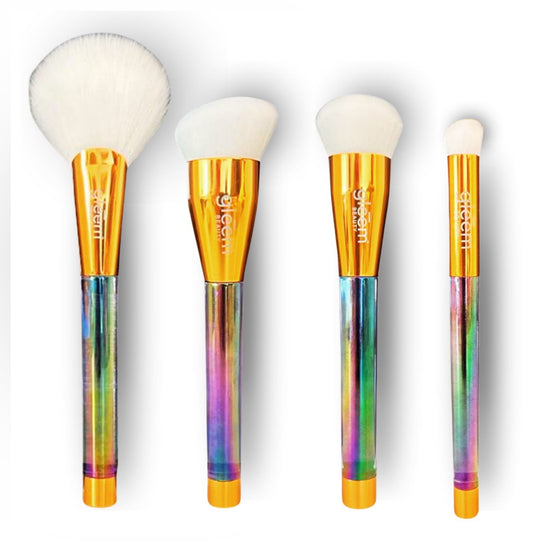
Skincare Brush Set
Shop Now!Skincare Brush Set is a set of four ergonomically designed brushes to cater to every angle of your face. They will deeply cleanses pores, removing dirt, oil, and impurities for clearer skin. Sanitary conscious no longer need to use your fingers to apply skincare products. Immediately feel product penetration and luxurious sensation.
Gently exfoliates, promoting smoother and brighter skin. Ensures even distribution of products for best absorption and effectiveness. Stimulates blood flow, promoting healthy-looking skin.


